
Is Zyn better than Vaping?

Zyn vs. Vaping: Which Nicotine Alternative Is Right for You?
Walk into a convenience store or scroll through social media, and you’ll notice a shift in the landscape of nicotine products. For years, bulky vape mods and sleek disposable e-cigarettes dominated the market as the primary alternative to traditional cigarettes. Now, a smaller, more discreet player has entered the arena: the nicotine pouch and this has brought about the question is zyn better than vaping?
Zyn, the market leader in this category, has seen explosive growth. But as consumers trade their vape clouds for under-the-lip pouches, a pressing question arises: Is Zyn actually better than vaping?
The answer isn’t a simple yes or no. It depends entirely on what you prioritize—lung health, social discretion, cost, or breaking the hand-to-mouth habit. This guide breaks down the differences, risks, and benefits of both methods to help you make an informed decision.
Buy Geek Bar Wholesale
Buy Geek Bar Pulse in Bulk
Buy Geek Bar PuLse X in Bulk
Buy Geek Bar Platinum Edition
Buy Geek Bar Meloso 32k Puffs
The Basics: What Are We Comparing?
Before analyzing the health impacts, we need to understand how these two delivery systems work.
Vaping involves heating a liquid (e-juice) containing nicotine, flavorings, and other chemicals (like propylene glycol and vegetable glycerin) into an aerosol. The user inhales this aerosol into their lungs.
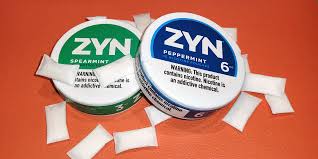
Zyn (and similar nicotine pouches) are small, porous bags containing food-grade fillers, flavorings, pH adjusters, and nicotine salts. They are placed between the gum and the upper lip. The nicotine is absorbed through the mucous membranes of the mouth directly into the bloodstream. Importantly, Zyn is tobacco-free, unlike traditional “snus” or dipping tobacco.
Lungs vs. Gums: The Health Implications
The most significant difference between the two products is the anatomy they affect.
The Case Against Vaping (Respiratory Impact)
Vaping is generally considered less harmful than smoking combustible cigarettes because it lacks tar and carbon monoxide. However, “less harmful” does not mean safe.
- Lung Irritation: Inhaling any foreign substance into the lungs carries risks. Vaping has been linked to chronic bronchitis, asthma exacerbation, and general lung inflammation.
- Chemical Exposure: While vape juice has fewer chemicals than cigarette smoke, the heating process can create new compounds, such as formaldehyde and acrolein, which can damage lung tissue.
- Unknown Long-term Effects: Vaping is relatively new. We simply do not have decades of data to understand the long-term respiratory consequences.
The Case Against Zyn (Oral Health Impact)
People tend to ask is zyn better than vaping? Because Zyn is not inhaled, it eliminates the respiratory risks associated with vaping. For someone with a runner’s cough or asthma, this is a massive advantage. However, Zyn introduces its own set of issues centered on the mouth.
- Gum Recession: Constant contact with nicotine pouches can irritate the gums, potentially leading to recession or lesions at the site of placement.
- Gastrointestinal Issues: Swallowing saliva saturated with nicotine can lead to heartburn, hiccups, nausea, and an upset stomach, especially for new users.
- Cardiovascular Stress: Both vaping and pouches deliver nicotine, a stimulant that raises blood pressure and heart rate. However, pouches can sometimes deliver a more concentrated, sustained dose, which keeps the heart working harder for longer periods.
The “Hand-to-Mouth” Fixation
One of the hardest parts of quitting smoking or vaping is the physical habit. The ritual of lifting a device to your mouth, inhaling, and exhaling is a soothing mechanism for many.
Vaping mimics this ritual almost perfectly. For some, this makes it a more satisfying replacement for cigarettes.
Zyn, however, breaks this cycle entirely. You park the pouch and leave it alone for up to an hour. For those trying to break the psychological reliance on the physical act of smoking, Zyn is arguably the “better” tool. It forces you to dissociate nicotine satisfaction from the act of inhaling.
Discretion and Social Usage
In terms of social acceptability and convenience, Zyn is the clear winner.
Vaping, despite being cleaner than smoking, is increasingly restricted. You cannot vape in offices, restaurants, airplanes, or most public indoor spaces. The visible cloud of vapor draws attention and can be a nuisance to others.
Nicotine pouches are invisible to the outside observer. You can use them at your desk, during a movie, or on a long-haul flight without anyone noticing. There is no smell, no smoke, and no need to step outside. For professionals or those who want to keep their nicotine use private, pouches offer a level of freedom that vapes cannot match.
Comparing the Ingredients
If you prefer products with shorter ingredient lists, pouches usually come out on top.
Typical Vape Juice Ingredients:
- Nicotine
- Propylene Glycol (PG)
- Vegetable Glycerin (VG)
- Flavoring agents (complex chemical mixtures)
- Possible heavy metals (leached from the heating coil)
Typical Zyn Ingredients:
- Nicotine salt
- Water
- Hydroxypropyl cellulose (plant-based filler)
- Microcrystalline cellulose (filler)
- Flavorings
- pH adjusters (like sodium carbonate)
While neither list is “natural” in the traditional sense, pouches do not involve a heating element that can chemically alter the ingredients before they enter your body.
Addiction Potential
Is one more addictive than the other?
Vapes often deliver a sharp, immediate spike of nicotine to the brain, similar to a cigarette. This “rush” can be highly reinforcing, making the addiction difficult to break.
Pouches tend to have a slower onset but a longer duration. The nicotine enters the bloodstream more gradually. However, because pouches are so convenient and can be used anywhere, users might find themselves consuming nicotine more frequently throughout the day—essentially chain-using pouches because there is no social barrier stopping them.
High-strength pouches (6mg or higher) can also significantly increase a user’s tolerance, making it harder to quit nicotine altogether in the long run.
Frequently Asked Questions regarding Zyn and Vaping
Is Zyn safer than cigarettes?
Yes. Most health experts agree that nicotine pouches are significantly less harmful than combustible cigarettes because they contain no tobacco leaf and involve no combustion (burning), which is what produces cancer-causing tar and carbon monoxide.
Can Zyn help me quit vaping?
Many people use nicotine pouches as a step-down method to quit vaping. It allows you to maintain nicotine intake while healing your lungs and breaking the physical hand-to-mouth habit. Eventually, you can taper down the pouch strength to quit nicotine completely.
Does Zyn cause mouth cancer?
Current research suggests that tobacco-free nicotine pouches carry a much lower risk of oral cancer compared to traditional chewing tobacco or dip. However, nicotine itself is not completely risk-free, and long-term studies on strictly tobacco-free pouches are still ongoing.
Which is cheaper: Zyn or Vaping?
This depends on usage, but Zyn is often cheaper. A heavy vaper buying disposable vapes might spend $20-$30 every few days. A can of Zyn (15 pouches) typically costs $4-$6. Unless you are using multiple cans a day, pouches usually result in monthly savings.
The Final Verdict
So, is Zyn better than vaping?
If your definition of “better” is sparing your lungs from heat and chemicals, then yes, Zyn is the better option. It removes the inhalation risks entirely and is undeniably more discreet and socially versatile.
However, if your definition of “better” involves avoiding gum irritation or you rely on the hand-to-mouth ritual to manage stress, vaping might feel like the superior experience, despite the respiratory risks.
Ultimately, both products are delivery systems for nicotine, an addictive substance. While switching from vaping to pouches might improve your respiratory health, the healthiest choice remains eliminating nicotine usage entirely. If you are using either product to quit smoking, you are moving in the right direction—just be mindful of the trade-offs.